
Outrankai Start growing
English

Content workflow comparison

Find an outrank alternative that fits your editorial process

The useful comparison is not which tool promises to outrank every competitor. It is which workflow helps you choose a topic, produce a useful draft, check its claims, and maintain the article after publication. Outrankai offers a starting point for that process; your editorial judgment remains essential.

Outrankai content workflow illustration

Three mechanisms to check

A viable alternative should support topic selection, an editable draft, and a repeatable review process. None of those mechanisms replaces evidence or guarantees a search position.

1

Topic suggestions cannot confirm demand

A promising topic is only a hypothesis. Without checking the current results, audience questions, and your site's existing coverage, you may produce an article that duplicates work or misses the reader's intent.

What to do instead

Review the search results yourself and write down the specific question your article will answer before drafting.

2

Drafting cannot establish expertise

Generated or templated prose can sound confident while omitting firsthand experience, current information, or a reliable source. An alternative writing workflow does not make unsupported claims safe to publish.

What to do instead

Add original examples, verify factual statements against primary sources, and remove anything you cannot substantiate.

3

Publishing cannot secure a ranking

Even a well-edited article may not outrank established pages. Relevance, competition, site quality, indexing, and changes to the results all affect what readers see.

What to do instead

Check indexing and search performance over time, then revise the article when evidence shows it is not meeting the intended query.

Step-by-step

Run the same small assignment through each approach before committing your editorial routine to either one.

  1. 1

    Define one reader question

    Pick a query your audience actually asks. Record the intended reader, the answer they need, the pages already competing for attention, and what your article can add. This keeps the alternative comparison focused on a real publishing task rather than a polished sample.

  2. 2

    Make two working drafts

    Use Outrankai as one guided starting point and a manual outline as the other. Keep the brief, source material, and editorial standard the same. Compare how easily you can change the structure, add evidence, and correct mistakes—not just how quickly text appears.

  3. 3

    Review, publish, and revisit

    Have an editor check both drafts for accuracy, originality, clarity, and usefulness. Publish only the version that passes review. Later, inspect the live page and relevant search data; do not treat an apparent improvement as proof that the workflow caused it.

Limits and edges

For an outrank alternative comparison, the meaningful differences are in how you organize work and where responsibility stays with your team.

Outrankai-guided workflow Manual editorial workflow
Starting point Begin with a guided content task, then assess the result against your brief. Build the brief and outline directly from your own research.
Topic judgment Check any proposed angle against live results and audience needs. Select an angle from research and document why it matters.
Draft control Treat draft material as editable input, not publication-ready copy. Write and revise each passage within your existing editorial process.
Fact checking Verify every consequential claim before it goes live. Verify every consequential claim before it goes live.
Distinctive insight Supply original examples and experience yourself. Supply original examples and experience yourself.
Search outcome No workflow alone can promise that a page will outrank another. No workflow alone can promise that a page will outrank another.
Ongoing upkeep Assign an editor to monitor and refresh published work. Assign an editor to monitor and refresh published work.

Who benefits from each approach

The right alternative depends on the bottleneck you are trying to remove. These examples show where to investigate further before changing how your team works.

Solo site owner

You have several relevant ideas but need a manageable way to turn one into a reviewed article. Use a guided draft only if it saves time after verification, not merely before it.

A repeatable brief and editing checklist can matter more than a larger pile of drafts.
outrank seo

Editor testing AI

You want to see whether an AI-assisted first pass leaves your writers more time for interviews, examples, and careful sourcing. Compare revision effort as well as initial output.

Keep the approach that produces a stronger final article under the same editorial standard.

outrank ai

Team evaluating claims

You have encountered confident testimonials and want to know what can be checked firsthand. Test one comparable assignment and note every claim you cannot independently confirm.

A documented trial gives you a firmer basis for choosing an alternative than a success story alone.

outrank reviews

From scattered ideas to a reviewable draft

The useful change is a clearer editorial handoff, not a promised jump in rankings.

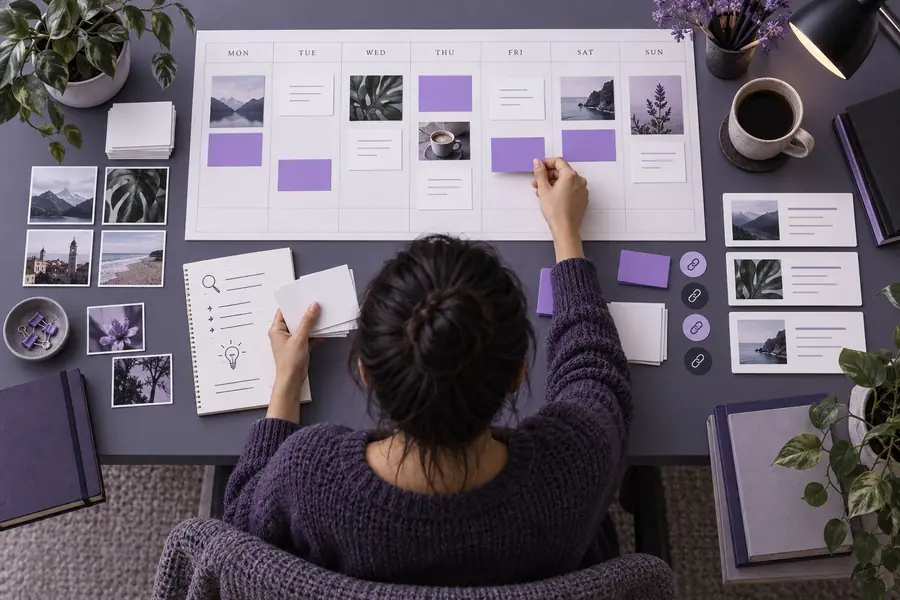
Illustrative content planning calendar used as a starting point
Topic planning
Illustrative comparison of content workflow stages
Workflow comparison

Illustrative workflow images, not measured before-and-after search results. Use the comparison to ask where research, drafting, verification, and updates happen in your own process.

Topic planningWorkflow comparison

Make the next draft a fair test

Choose one article your audience needs, set your sourcing and editing standards, and compare the finished work with your manual process. An alternative is worthwhile when it helps you publish something accurate and useful without hiding the work that remains.

Test a workflow against your real brief

  • Start with a specific reader question
  • Check claims and add original insight
  • Judge the finished article, not just the first draft
Explore content workflow

Frequently asked questions

Compare the entire editorial workflow: choosing a topic, drafting, checking sources, revising, and maintaining the published page. A short trial using the same brief is more informative than comparing promotional examples.

No. A writing workflow can help you organize and improve content, but search placement depends on factors beyond the draft itself. Check the live results and evaluate the article's usefulness before drawing conclusions.

Yes, especially when research, interviews, or specialist judgment are the hardest parts of the assignment. A guided approach may help with organization, but it should be compared with the quality and effort of your existing process.

Choose one representative article and use the same brief and quality checklist for both approaches. Record the editing required, verify the claims, and decide based on the finished piece rather than the speed of the initial draft.

Start growing
Start growing